Sink your teeth into our digital journal—a collection of dreams, notes, explorations, and meaning-making in the food culture ecosystem, authored by the Food Culture Collective team, curated & edited by Ada Cuadrado-Medina.

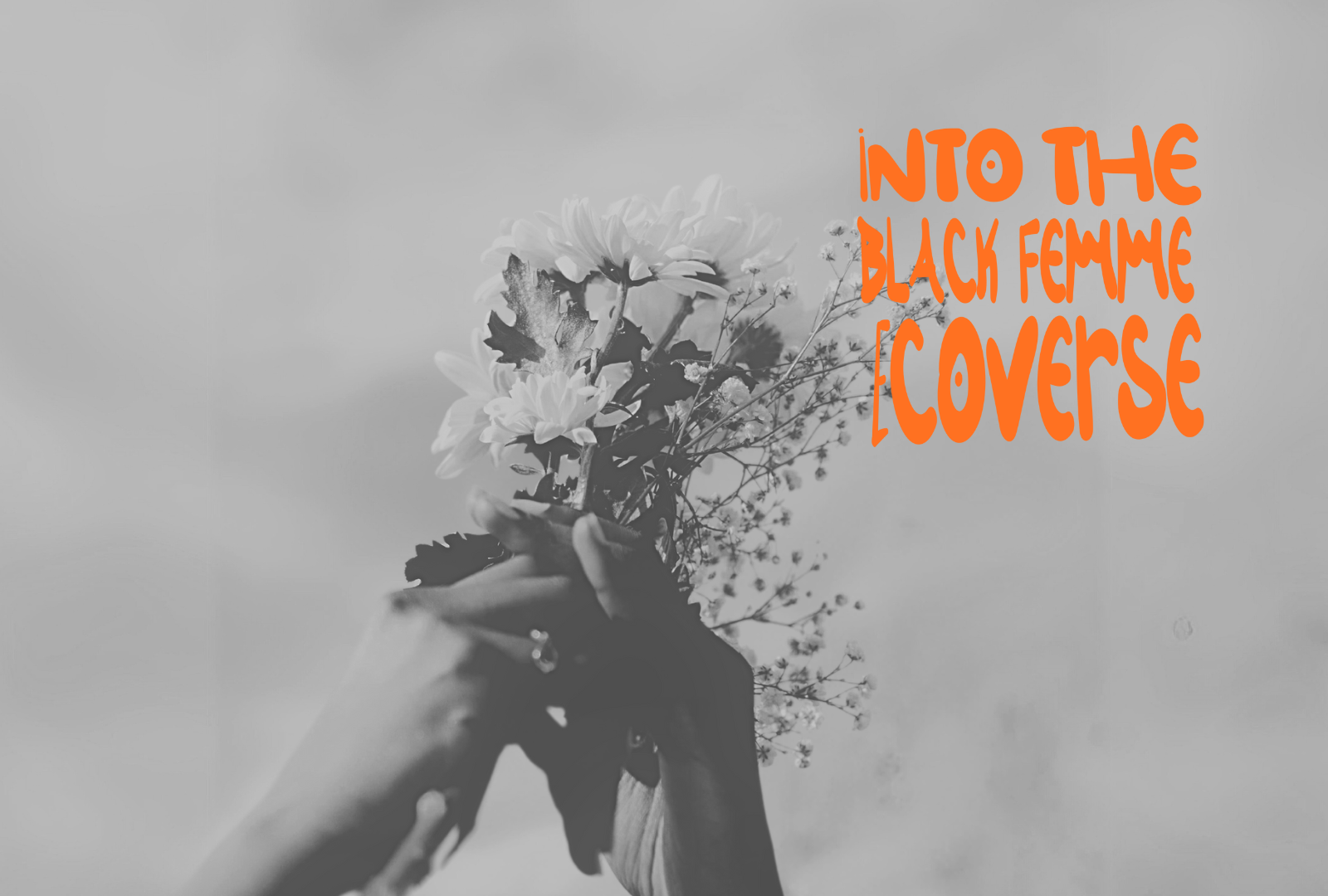
Blooming Into the Black Femme EcoVerse
"Into the Black Femme Ecoverse '' is a gathering of Black femme land stewards and healers who are coming together to channel, portal jump and femme-fest love. This juicy expression of love is a collective dreamscape that digs into the potential of what our love for Mother Earth and her love for us can accomplish in setting us free.
As we reflect in stillness & in movement, calling upon Mother Earth in our midst with openness and sincerity, in rage and anger, in grief and surrender, we are asking ourselves—what radical insights, wisdom, and lessons do we consequently learn and go on to impart to our fellow living beings? How is our liberation tied to the relationships we are cultivating with Mother Earth?

How Frances Albrier watered seeds of Black liberation from Tuskegee to Berkeley
Our ancestors are portals that invite us to know Earth’s deep wisdom…
Following in the footsteps of her grandmother, who’d instituted the Mother’s Club of Tuskegee—along with Mrs. George Washington Carver and Harriet Tubman— Frances carried seeds saved from her predecessors to plant a flourishing garden of her own in the East Bay. She propagated Black communities nourished by intentional love, care, and cooperative models of collective agency – where everyone got an opportunity to eat.

How did Black women sow community healing & care into East Bay foodways?
Generation after generation, Black women have answered the inner stirrings of their spirits by radically dreamscaping pathways to surviving the throes of racial terror, brutality, and oppression.
These promptings are like seeds burrowed deep within us as the unspoken, yet ceaseless call to action of revolutionary self-love and collective caretaking. They have been nourished in me by the mothers who nurtured my blossoming long before my arrival.
The legacy of love that has tilled and ripened the grounds of community care in abundance was woven into the women that gave rise to Black Women’s Clubs of the 20th century…
Browse by Series
Black Food, Love + Liberation
Black Food, Love & Liberation is an ongoing series curated by our Digital Culture Fellow, Ugoada Ikoro. Each week, Ugo captures stories of joy, beauty, community care, and thriving (beyond surviving) hidden beneath mainstream narratives shaping Black foodways and our relationships to the land.
"Into the Black Femme Ecoverse '' is a gathering of Black femme land stewards and healers who are coming together to channel, portal jump and femme-fest love. This juicy expression of love is a collective dreamscape that digs into the potential of what our love for Mother Earth and her love for us can accomplish in setting us free.
As we reflect in stillness & in movement, calling upon Mother Earth in our midst with openness and sincerity, in rage and anger, in grief and surrender, we are asking ourselves—what radical insights, wisdom, and lessons do we consequently learn and go on to impart to our fellow living beings? How is our liberation tied to the relationships we are cultivating with Mother Earth?
Our ancestors are portals that invite us to know Earth’s deep wisdom…
Following in the footsteps of her grandmother, who’d instituted the Mother’s Club of Tuskegee—along with Mrs. George Washington Carver and Harriet Tubman— Frances carried seeds saved from her predecessors to plant a flourishing garden of her own in the East Bay. She propagated Black communities nourished by intentional love, care, and cooperative models of collective agency – where everyone got an opportunity to eat.
Generation after generation, Black women have answered the inner stirrings of their spirits by radically dreamscaping pathways to surviving the throes of racial terror, brutality, and oppression.
These promptings are like seeds burrowed deep within us as the unspoken, yet ceaseless call to action of revolutionary self-love and collective caretaking. They have been nourished in me by the mothers who nurtured my blossoming long before my arrival.
The legacy of love that has tilled and ripened the grounds of community care in abundance was woven into the women that gave rise to Black Women’s Clubs of the 20th century…
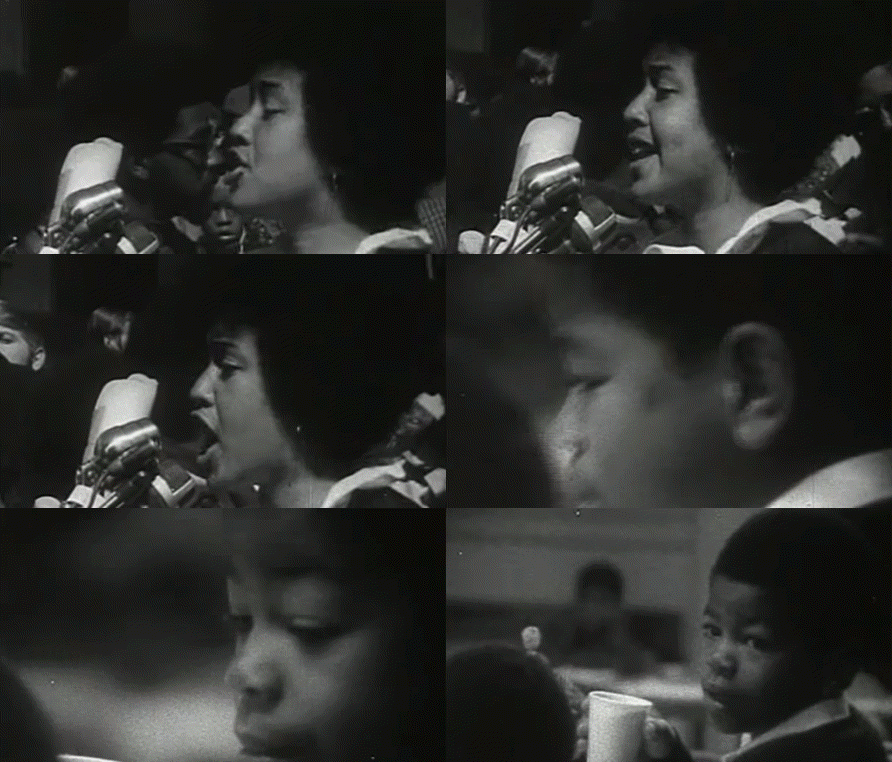
Reflecting on the living legacy of Oakland’s Black Panther Party Free Breakfast Program
The year is June 8th,1969…Every day for the past six months, 120 kids on average have come in for a free breakfast prepared by their community. When they’re done, they depart for the school day with bellies full, ready to take on their final week before they set their sights on summer break.
Food is the basis of our lives. So, what ingredients are essential to feeling nourished and cared for in your communities? What radical possibilities exist when we honor food as the living, breathing being we are in eternal communion with?

Cultivating spaces of beauty, from the fields to one’s home to one’s community through the power of plants, people, and care for the land is revolutionary.
Many of the green spaces we see today across Oakland—from community gardens to small acreage farms—sprouted from networks of Black Garden Clubs organized nationwide in the 20th century to nourish the budding ecosystems of people, places, and plant life.

What were Black Oakland residents growing in their backyards during the Jim Crow and Civil Rights eras, and how were they feeding their communities? What did expressions of joy, play, and meal-sharing look like for those families?

What transformative pathways emerge when we unearth the wisdom revealed by apocalypse? The Latin root of Apocalypse means, “to reveal; to uncover.” Usually, this is interpreted to mean something dreadful is revealed. But what if what's revealed is our inherent wholeness, mutuality, generosity and connection? How might we unearth practices to compost empire and seed more liberatory, thriving futures?
These were some of the questions that Food Culture Collective’s Advisory Council Member, ancestrally-taught chef, writer, and death doula, Yana Gilbuena Babu, brought to the table on July 18th, with Boricuir food justice organizer, writer, farmer and co-founder of Cuir Kitchen Brigade, Lucecita Cruz, and Native Hawaiian Zen Priest and movement strategist, Norma Wong.

What would the world look like if we fed our collective capacity to embrace play? If play is a way to reimagine our world, to try on new ways of nourishing ourselves and our communities, by growing a food culture where everyone gets to be free—what happens when we step through the portal? How might we play our way to collective liberation?
These were some of the questions that Food Culture Collective’s Digital Culture Creative, Ada Cuadrado-Medina, brought to the table on March 30th, with creative improv facilitator and creator of Cattails Comix, Kai Tzeng, and community organizer and founder of Black Food Fridays, KJ Kearney. Together they shared a juicy conversation that embraced play as a tool for centering joy and creativity in our liberatory spaces.
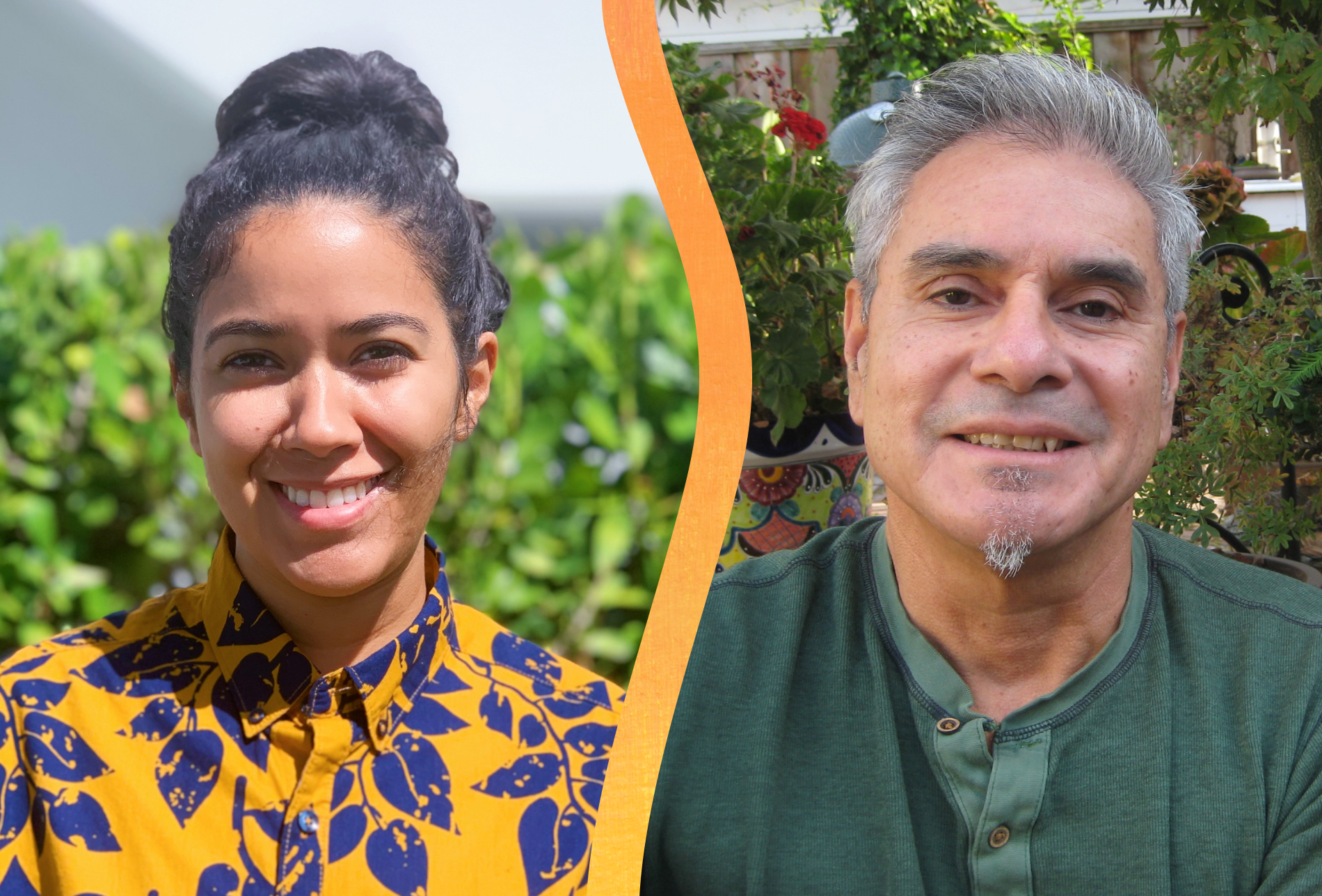
How do we cultivate a deeper sense of belonging to land, food and the wild through the lens of Indigenous ecology and disability justice? What is possible when we reimagine a world where belonging means to care for the lands, waters and people that nourish us?
These were some of the questions that Food Culture Collective’s Network Weaver, Steph Lew, brought to the table on December 8, with disability justice advocate, Kristie Cabrera, and Indigenous ethnobotanist Dr. Enrique Salmón. They were joined by over 60 guests around the virtual table for a juicy conversation that unearthed ways we can grow a food culture that centers accessibility and leaps courageously into the vibrant potential of the “gray spaces” that lie beyond extractive relationships to food and land.

What does it mean to be a future ancestor? What does it mean to feed a liberatory relationship to food, rooted in joy and care for ourselves and our future descendants? What can we learn by embracing both the joy and the fight in this work?
Tune into this juicy conversation about embracing our roles as future ancestors to cultivate a boldly reimagined food culture with Food Culture Collective’s Narrative Strategist, Shizue Roche Adachi, Tlingit food activist, chef and urban farmer Kirsten Kirby-Shoote of i-collective, and Nigerian-American chef and multimedia artist, and founder of Black Feast, Salimatu Amabebe.
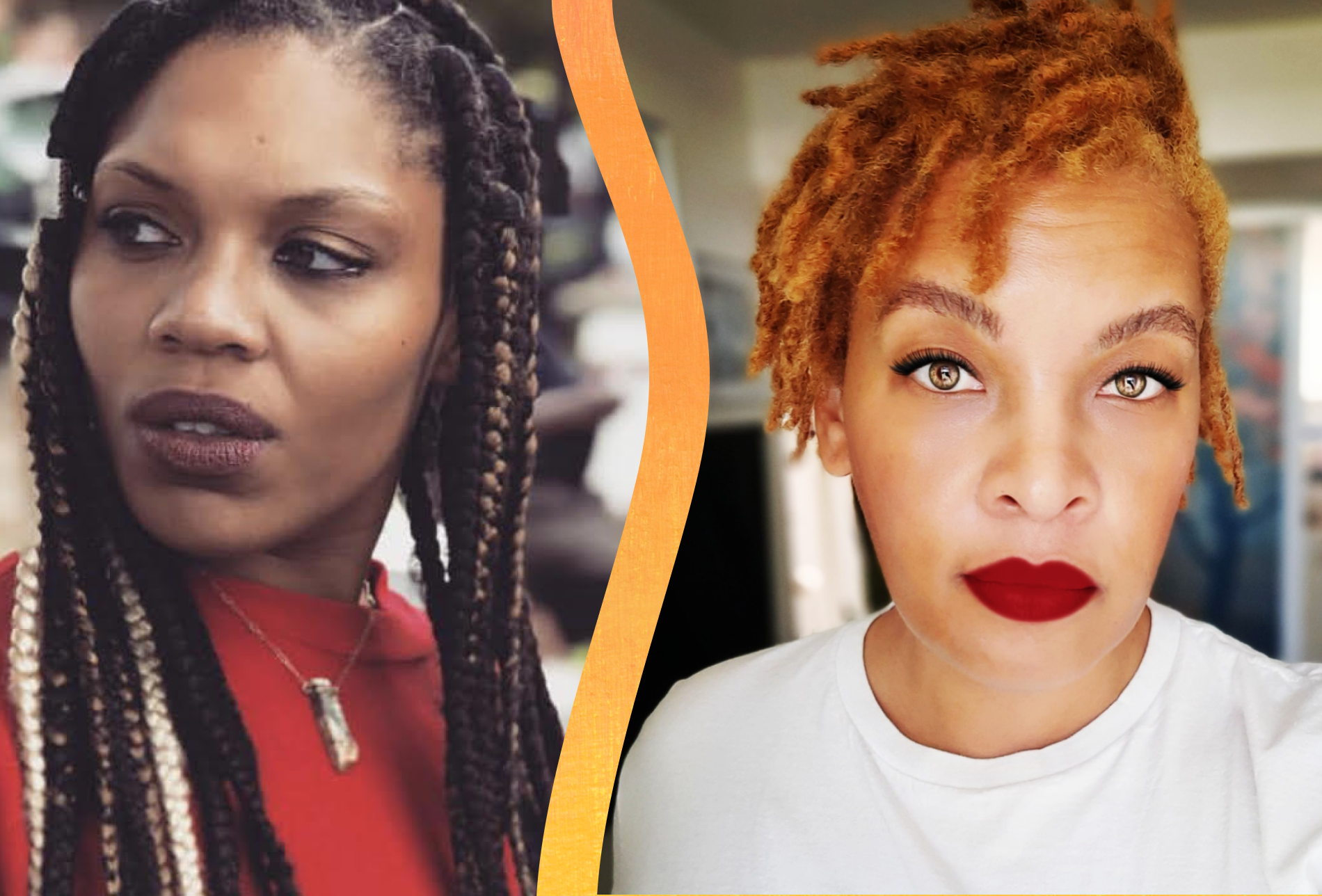
What is wholeness? And how do we lift up food narratives that feed our wholeness in ways that nourish us deeply and witness us in the fullness of our impact? What can we learn from the storied lineage of Black food changemakers about leading with wholeness, care and joy to transform our shared food culture?
These were the questions FC Collective Advisory Board Member, Stefani Renée Medley, brought to the table in a virtual conversation with Black food scholar-activist, Lindsey Lunsford and food media creative, Tiffani Rozier.
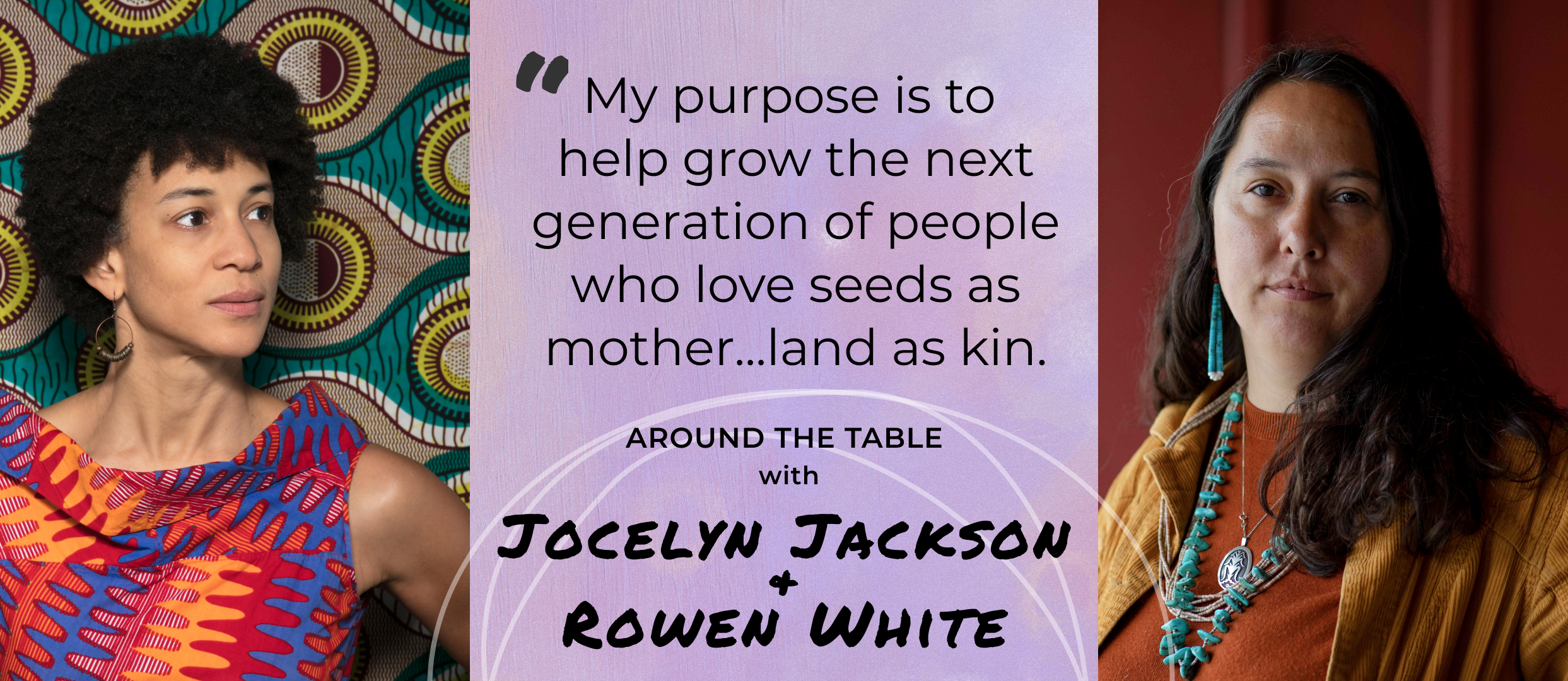
What is food culture? And, how do we reclaim and decolonize mainstream food culture to nourish a future rooted in care, healing, liberation and joy? These were the questions RFRS Director of Communications and Narrative Design, Shizue Roche Adachi, brought to the table in a November Around The Table conversation with two acclaimed food leaders and activists who have long been working in the food culture space, Jocelyn Jackson and Rowen White.
Our Around The Table series features informal conversations between RFRS community members with thought leaders, elders, organizers, and friends. Together, we take a deep dive––sinking our teeth into the juicy stories, live questions, and critical conversations buzzing in the food and culture space.
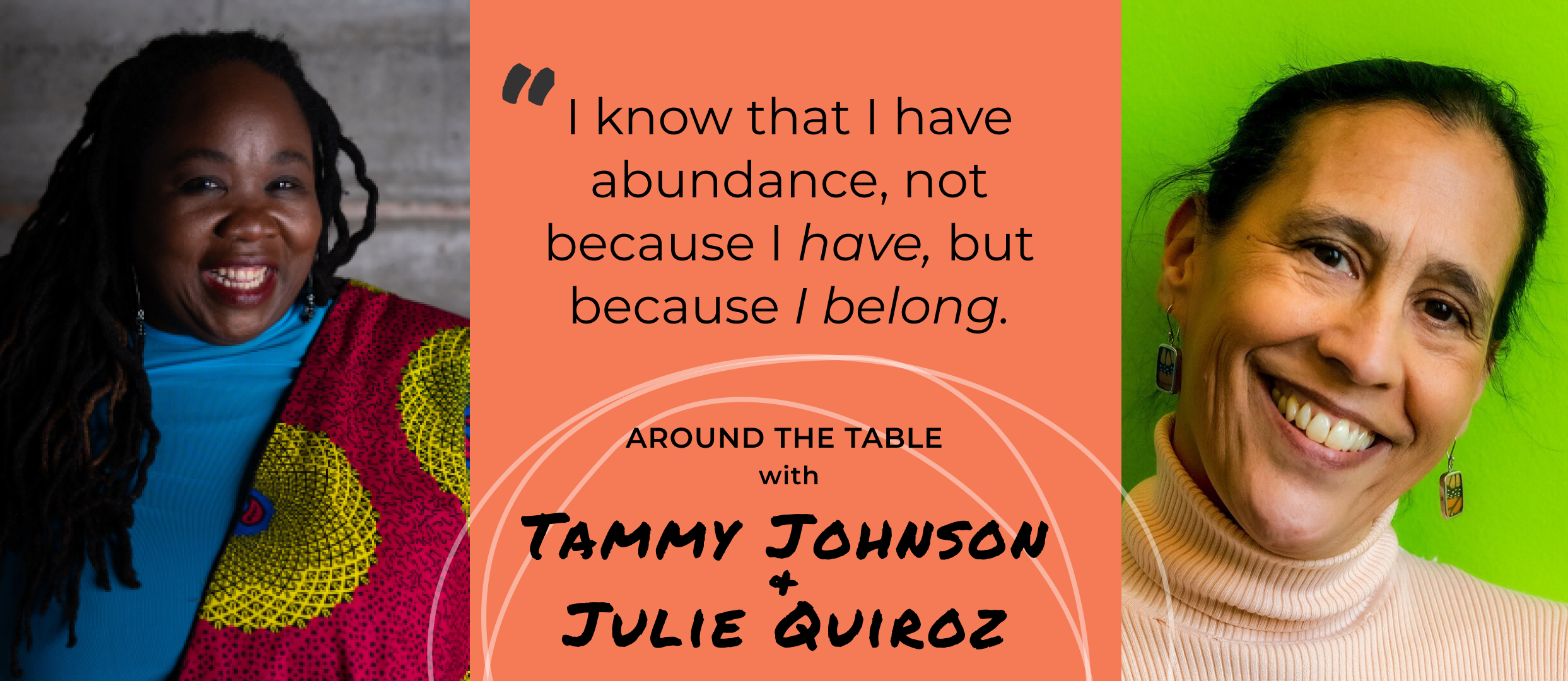
What does it mean to transform our organization in service of deep, sustainable culture change? And what does it take to cultivate a worldview of plenty? These were the questions RFRS Director of Programs and Cultural Strategies, Nayantara Sen, brought to the table in an expansive conversation on abundance and cultural strategy with long-time friends, guides, collaborators and mentors Julie Quiroz of New Moon Collaborations and Tammy Johnson of TMJ Universe.

Around The Table features informal conversations between Food Culture Collective community members, thought leaders, organizers, and friends in food about the juicy stories and critical conversations we’re chewing on. This conversation took place in the summer of 2021 when Food Culture Collective was known as Real Food Real Stories.
The first post of the series, we’re excited to welcome 2021 RFRS Facilitator Cohort member, Stefani Renée Medley, in conversation with RFRS Executive Director, Jovida Ross. On a Tuesday afternoon in early June, Stefani and Jovida met up around the virtual table to talk tokenization and white supremacy in food spaces, and RFRS’s role and responsibility in shifting these dynamics.
Around the Table
Our Around The Table series features informal conversations between food workers, thought leaders, elders, organizers, and creatives about emergent insights in food culture. Together, we sink our teeth into the juicy stories, live questions, and critical conversations buzzing in food and culture spaces.
Postcards from 2050
We invited Food Culture Collective community members to imagine forward with us—to a future rooted in care and belonging. Where our food culture is defined by reciprocal relationships and is accountable to the land, water, and people to which we belong. Read their postcards from the future here.

Today, in 2050, we care about every step that’s brought our food onto our plates. We care about how the workers who made the food are treated. We care about the employees that sell this food and above all, we care about the food itself. We think about what we eat and ask ourselves, “is this food being grown sustainably, so generations after us can enjoy the same nourishment?” In 2050, we ask, “were the animals and plants in this food treated with humanity, care and kindness?” When we ask all these questions, we make the world a little better, for us and our descendants…

These days, we visit the old growth trees, salmon runs, fern-covered forest floors, and berry patches; gifts possible only because we put everything we had into protecting them. If I haven’t already told you the stories about how the Wet'suwet'en protected the Wedzin Kwa, a sacred river, or how the Fairy Creek Blockade defended Ada’itsx and it’s magnificent old growth trees…

The soil smells joyful, fertile, happy. The living microbiome has been regenerated through collective human practices that have finally transcended cultures of dominance and extraction. My generation is witness to the revival of communal land stewardship. It was a struggle earlier on— often clouded with a collective feeling of impending apocalypse as millions of human beings perceived what seemed to be the ‘end of everything’... Only to realize that it was simply the end of dominance, of monocultural thinking and the zombification of our soil. The soil’s microbiome is now a beloved community again.
In the Test Kitchen
Dig into this collection of articles and think pieces written by Food Culture Collective staff, community members, and friends, focused on the question—how do we transform our shared food culture?
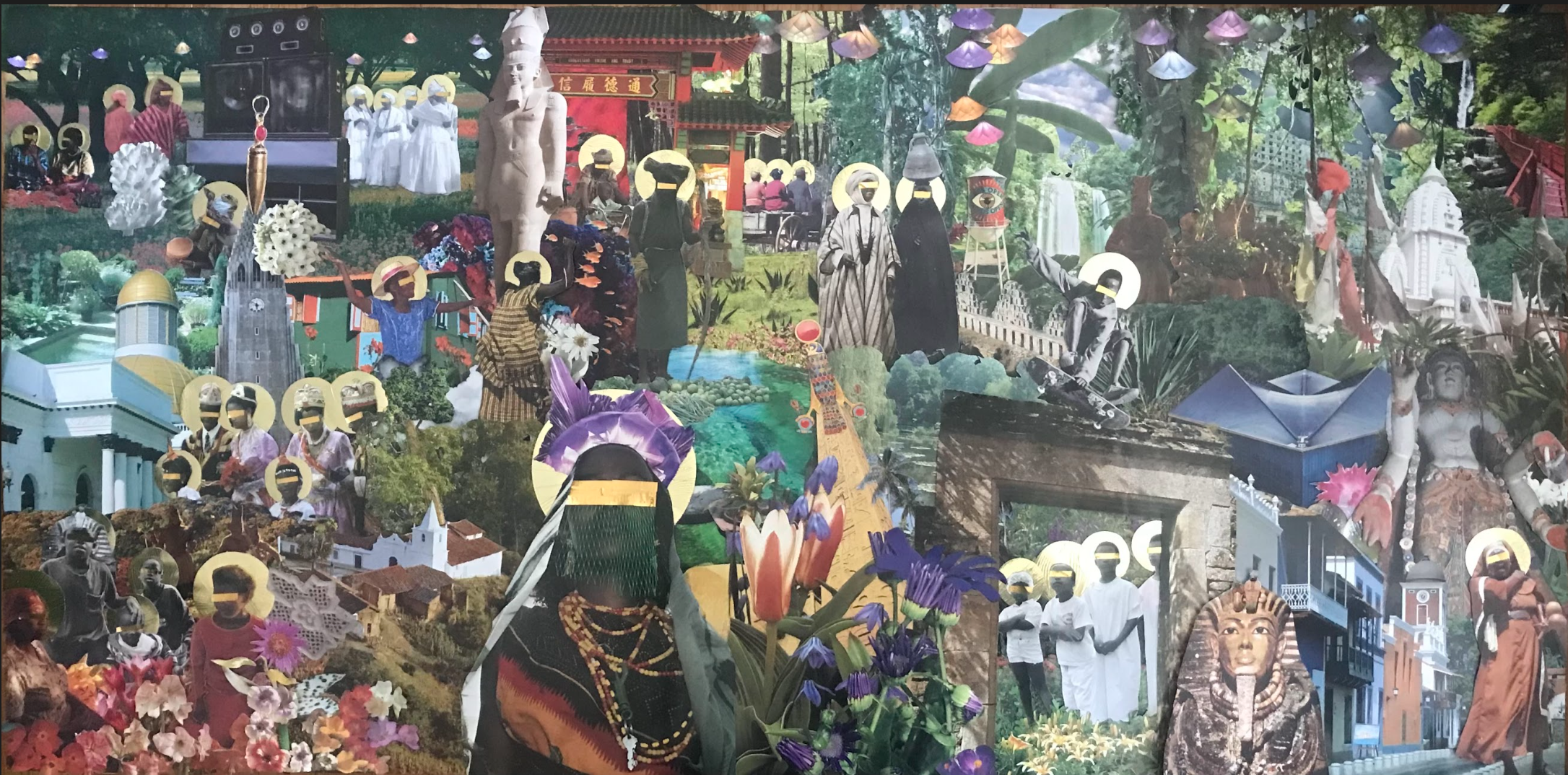
The following is an excerpt from the article, “Play with Your Food; Reimagine Our World,” by Food Culture Collective’s Jovida Ross, published in Grantmakers in the Arts' GIA Reader.
My mother always grew food. Though our lives together were often unstable and unpredictable, she implicitly transmitted that we are people who work the soil. I remember wondering if the tiny lettuce seeds I pushed into the soft dirt would sprout? It seemed implausible, but they did. I learned to weed and water the vegetables we grew, and she would send me out to clip leaves for our dinner salad.
There were no family stories that came along with this responsibility. I thought it was just a way to eat on the cheap! Now, I understand that, through food, my mother connected me to our celtic, germanic, and anglo family tree. Tending plants was a small, unspoken transmission across generations.

Excerpted below, from her book, The Power Manual, Cyndi Suarez, President + Editor in Chief of Nonprofit Quarterly, digs into play not only as a way of being in the world, but a mindset and a pathway to collective sense-making.
Play, or recreational activity, abounds in nature. The more developed the species, the more it seems to play. Play researchers have observed animals choose play over food and wondered, Why would a living being choose something seemingly extraneous, like play, over something necessary for survival, such as food? Does play have a purpose?

Living in a dominant culture of exploitation and extraction, to collectively imagine, nourish, and play are powerful forms of resistance and reclamation: we play with our food to reimagine our world. This is why we call ourselves Food Culture Collective. Our name is an affirmation, an invocation, and an invitation: we are all culture-bearers, and we can all feed a food culture that nourishes our collective healing and transformation. But we can only do it together.
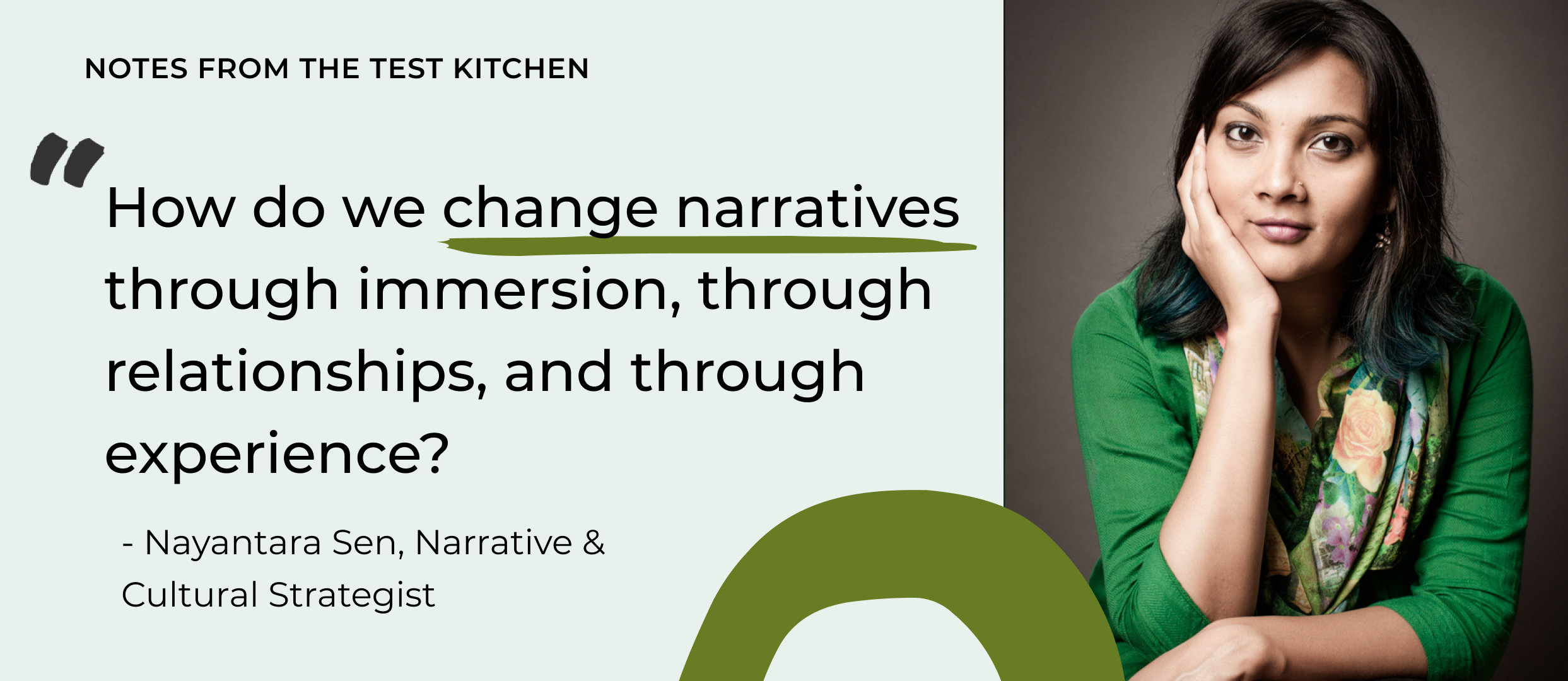
Narrative and Cultural Strategy leader, Nayantara Sen, and Real Food Real Stories’ Narrative Strategist Shizue Roche Adachi sat down virtually for an expansive conversation on narrative and cultural strategy work in food, agriculture, and movement building. A meaty download, this conversation will be shared as a two-part series. In this first installment, we’ll dive into food’s role in reshaping our understanding of home, belonging, and our collective relationships in this time of social polarization, and what it means to embody transformative narratives as a daily practice.